


World Robot Boxing
4.5104.91K Reviews
App Specs
- Version
- 113.113.120
- Updated On
- License
- Free
- Downloads
- 50,000,000+
- Developer
- Reliance Games
- Categories
- Action
- Platform
- Android
Screenshots
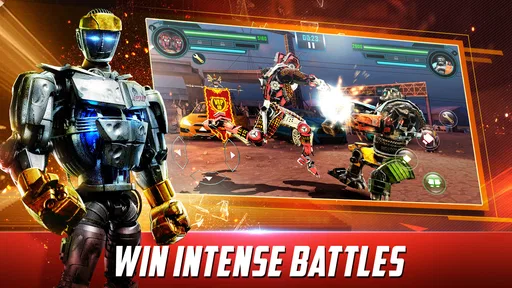
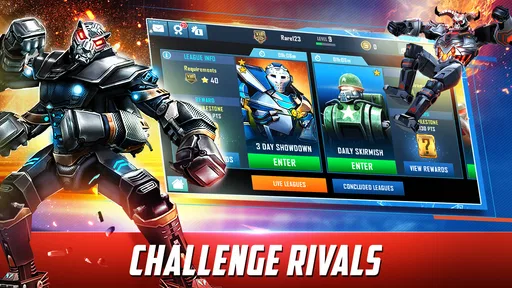

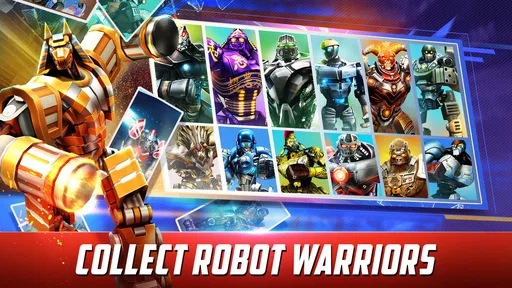

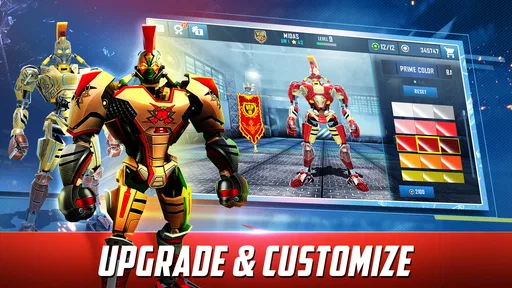
 Analysis by AppCompare
I spent time with World Robot Boxing as a mobile action game, and my first impression was clear: it wants to make robot fighting feel immediate, dramatic, and easy to pick up, while still giving you enough room to improve through practice. The basic appeal is obvious. You choose a machine, enter a fight, read the opponent’s movement, and try to land better attacks at the right moment. That simple loop works especially well when I want a short burst of competition rather than a long story-driven session.
Developed by Reliance Games, the game has grown into a large mobile title with more than 50 million installs and an average rating of 4.5 from roughly 2.3 million ratings. Those figures match my experience of a game designed for a broad audience: it is approachable in the first few minutes, but its best moments come after I stop treating every match as a button-mashing contest and start paying attention to timing, spacing, and the behavior of each robot.
Where players usually get stuck
I find that players tend to get stuck when they treat every loss as proof that they need a stronger robot. In this game, it can be more useful to separate a timing mistake from a touch-control problem before changing your approach. I’ll look at a few ways to make that distinction, then move on to practical setup and recovery habits.
The first fight is easy to understand, but not necessarily easy to master
The opening experience is built around action rather than explanation. That is a good choice for a boxing game, because I would rather learn by throwing a punch than read several screens of instructions. Still, the fast pace can hide an important lesson: attacking constantly is not the same as controlling a fight. When I rushed forward, I often created openings for the opponent. When I waited briefly and watched for a committed attack, I had more useful chances to respond.
This is one of the first places where new players can misread the game. A robot may look powerful because its attacks feel heavy, but raw aggression does not automatically produce a win. I found it more reliable to use early exchanges as observation time. Notice how quickly the opponent closes distance, how long an attack leaves it exposed, and whether a missed strike gives you enough room to counter. That habit is more valuable than trying to memorize a single winning sequence.
The large selection of robots also creates a choice problem. With over 90 robots available, it is tempting to switch constantly whenever a new option appears. I had better results by staying with one machine long enough to understand its rhythm. A familiar robot lets me concentrate on the opponent instead of relearning my own reach, movement, and attack timing every round.
Progress can feel slower when you play without a plan
The game is free to download, which makes it easy to start, but free entry does not mean every part of the experience is frictionless. In-app purchases range from $0.99 to $299.99 per item, so I recommend deciding early whether you want to play patiently or spend money to accelerate parts of your progress. I prefer treating purchases as optional and using the early sessions to discover whether the combat itself holds my attention.
Worth Reading Before You Choose

EA SPORTS FC Mobile 26 Is a Bigger Football Game, but It Takes Time

Flipboard Shows What News Apps Must Do Beyond the Feed

Switching to Android Auto Means Rethinking Your Driving Routine

Google Calendar Makes a Crowded Week Easier to Manage

Ludo King Makes the Most of the Minutes Between Plans

Baby Panda World Brings Quick Play to Modern Phones, but Its Game Library Feels Busy
That approach matters because an upgrade or new robot can make the game feel exciting for a while, but it cannot replace learning the controls. If a match is going badly, buying something immediately may hide the real issue: poor timing, attacking from the wrong distance, or failing to recover after a missed strike. I would first replay the same kind of encounter with a calmer strategy before deciding that stronger equipment is the answer.
Touch controls expose small mistakes
Mobile fighting games always depend on the relationship between the screen and your hands. A touch input that feels obvious in a quiet room can become unreliable when you are holding the phone awkwardly, using a smaller display, or trying to react while moving. In my sessions, many apparent combat problems were really input problems. A rushed tap, a thumb covering part of the action area, or a delayed response from an overloaded device can turn a good decision into a missed attack.
For that reason, I get more consistent results when I hold the phone with both hands and keep my thumbs in a repeatable position. I also avoid playing while the device is busy with downloads or several background apps. This is not a special trick for winning; it simply removes avoidable uncertainty. When the controls feel inconsistent, I want to test my setup before blaming the robot, the opponent, or the game itself.
Visual excitement can distract from useful information
The robot theme naturally encourages you to focus on spectacle. Large machines, strong impact effects, and quick exchanges make every hit feel important. The downside is that visual drama can make it harder to notice the practical signals that matter during a close fight. I learned to watch the opponent’s position and attack preparation rather than stare at the impact animation. That small shift helped me recognize when I was safe to press forward and when I should create distance.
If you are playing on a phone with a compact screen, take a little time to adjust your grip and display comfort before judging the game. A crowded visual field is more tiring during repeated fights, especially when you are trying to react to several actions in quick succession. Short sessions are not only convenient; they can also keep your decisions sharper.
Setup checks, recovery habits, and the right expectations
When a match or screen behaves oddly, I prefer to change one thing at a time rather than reinstall or adjust several settings at once. That makes it easier to tell whether the trouble is coming from the device, the connection, or the way I’m playing. The next section focuses on those checks and on keeping expectations realistic.
Start with a clean, stable setup
The current version is 113.113.120, and the game supports devices running at least iOS or Android equivalent to version 7.1. Before launching into a serious session, I would make sure the operating system and the game are updated through the normal app store process. A title that has been installed for a long time can behave differently after a system update, so checking for pending updates is a sensible first step when menus, loading, or controls seem unusual.
I also recommend restarting the device after an update rather than opening the game immediately and assuming every problem is inside the app. A fresh restart can clear temporary system congestion. If the game opens but feels sluggish, close other demanding apps, leave enough free storage for normal device operation, and try again. These are simple checks, but they often separate a genuine game issue from a phone that is already struggling.
Network conditions deserve attention as well. Even when a game appears to be running normally, an unstable connection can interfere with online-related activity or make loading feel inconsistent. If a match or screen behaves strangely, I compare a reliable Wi-Fi connection with mobile data, or briefly reconnect to the same network. I do not repeatedly tap the same button while waiting, because that can create more confusion than it solves.
Recovering from a stuck screen without making things worse
When the game freezes on a loading screen, my recovery order is deliberately cautious. I wait a reasonable moment, check whether the rest of the phone is responding, and then close and reopen the game if necessary. If that does not help, I restart the device and test the connection. I avoid deleting the app as an early experiment, because reinstalling can remove local progress or create an unnecessary setup problem unless the account and saved state are already secure.
If a particular match repeatedly fails while other parts of the game work, I try a different mode or return to the main menu before restarting. This helps identify whether the problem is tied to one activity or affects the whole installation. I also note what happened immediately beforehand: a connection change, a system notification, an interrupted update, or a device becoming hot. That information is much more useful than simply saying that the game “does not work.”
Use repetition as a diagnostic tool, not just training
One of the most useful workflows I found is to repeat a short sequence with one variable changed at a time. If an opponent keeps punishing my forward attack, I first change the timing, then the distance, then the decision to attack at all. If I change everything simultaneously, I cannot tell what improved the result. This method turns a frustrating loss into a small experiment and helps reveal whether the issue is strategy or control response.
The same idea applies to performance. Play one brief session after closing background apps, then compare it with a session after the phone has been working normally for a while. If the experience changes, heat or system load may be involved. If it does not, the problem may be connected to the game, the network, or a specific device compatibility issue. I would rather make that distinction before spending money or changing several settings at once.
Why the usual alternatives may suit some players better
Compared with a slower strategy game, this title asks for more immediate attention. You cannot plan every exchange several turns ahead; you need to react to movement and adjust your timing. That makes it a better fit for someone who enjoys active touch combat and less suitable for a player who wants a relaxed, low-pressure progression game.
Compared with a traditional sports simulator, the robot theme gives the action a more exaggerated identity. The appeal is not realistic boxing technique in a strict sense. I see it more as arcade-style combat built around mechanical fighters, strong visual feedback, and a large collection of machines to explore. If you want authentic rules, detailed athlete management, or a quiet career mode, another type of boxing game may be more satisfying.
It also differs from a very small offline arcade game because its scale can make the experience feel more involved. That broader structure gives committed players more reason to return, but it also means more opportunities for progression friction, loading delays, and purchase pressure. Someone looking for a game they can open for thirty seconds with no commitment may prefer a simpler alternative.
A realistic everyday use case
I think the game works best in a specific everyday situation: you have ten or fifteen minutes between tasks and want something more engaging than a passive distraction. I might play a few fights during a break, using the first match to warm up and the next one to test a single adjustment. That is enough time to enjoy the action without turning the session into a long grind.
For a longer evening session, I would set a personal stopping point. Repeated losses can encourage impulsive purchases or careless play, especially when I am tired. Taking a break after a few frustrating matches helps me return with better judgment. The game rewards attention, so playing while distracted is rarely the best use of its combat system.
Who should install it, and who should skip it
I would recommend it to players who like action games with collectible robot fighters, quick matches, and a reason to improve through repetition. It is also a good choice if you enjoy comparing different machines and are willing to learn the feel of one robot before moving to another. The Teen content rating is worth keeping in mind for families choosing games for younger players.
I would skip it if you dislike in-app purchase systems, have very little patience for progression, or want a completely calm experience. I would also be cautious if your phone is old, frequently short on storage, or prone to overheating during games. The app can be free to start, but the surrounding progression may not suit someone who wants every meaningful option available immediately without spending or waiting.
My practical verdict
World Robot Boxing is at its strongest when I treat it as a timing-focused action game rather than a button-mashing showcase. The robot roster gives the concept variety, and the combat has enough room for small improvements to feel meaningful. Reliance Games has built a title with broad reach, reflected in its 50 million-plus installs and large player response, but its popularity does not remove the need for realistic expectations about touch controls, device performance, and optional spending.
My advice is to begin with one robot, keep your setup stable, and use losses to identify a specific mistake instead of changing everything at once. If a screen stalls, work through connection, restart, and device checks before reinstalling. If the combat itself feels satisfying after that process, the game can become a dependable short-session distraction with surprising depth in its timing. If you want a pure offline arcade experience or a more authentic boxing simulation, I would look elsewhere.
For me, the final decision is simple: install it if the idea of learning mechanical fighters through fast touch battles sounds fun, and enter with a patient approach to progression. The free starting point makes trying it easy, while the Teen rating and purchase range mean it is better enjoyed with clear expectations. The best reason to keep playing is not the promise of instant power, but the feeling that your next win came from reading the fight better.
Pros
- Fast-paced fights are easy to learn but offer room for tactical play.
- A wide selection of robots provides varied fighting styles and team options.
- Special abilities make matches more exciting and help turn battles around.
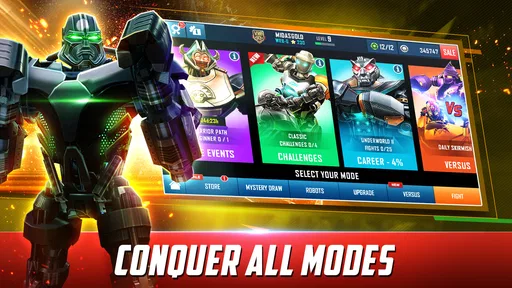
- The game includes several modes
- adding variety beyond standard one-on-one fights.
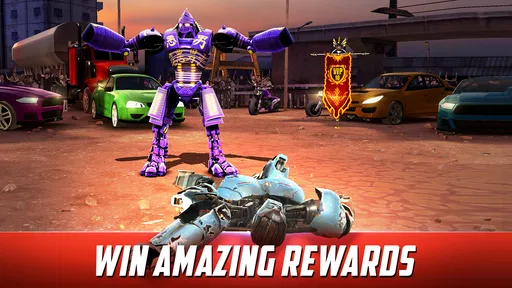
- Regular events and rewards give returning players extra goals to pursue.
Cons
- Progress can feel slow without spending money on upgrades and resources.
- Some opponents may have a noticeable advantage from stronger robot equipment.
- Matches can become repetitive after playing the same arenas and modes often.
- The large download size may be demanding for devices with limited storage.
- Online play requires a stable connection and may suffer from occasional lag.
FAQs for World Robot Boxing
What is World Robot Boxing?
World Robot Boxing is a fast-paced mobile fighting game where you control powerful robots in one-on-one arena battles. Each robot has its own statistics, abilities, and upgrade options, while matches focus on movement, punches, blocking, dodging, and well-timed special attacks. The game combines arcade-style controls with progression systems, making it accessible for beginners but more demanding when facing stronger opponents.
Can I play World Robot Boxing offline?
World Robot Boxing may allow some single-player content to be played without a constant internet connection, depending on the device, game version, and mode selected. However, online battles, account synchronization, events, advertisements, purchases, and certain progression features generally require connectivity. It is best to launch the game while connected at least once and check which modes remain available when offline.
Is World Robot Boxing free to download and play?
World Robot Boxing is generally available as a free download, but it includes optional in-app purchases. You can begin playing, unlock robots, and progress through battles without paying immediately, although upgrades, premium currency, energy systems, or limited-time offers may affect the pace of advancement. Players should review the store listing and device purchase settings before downloading, especially if children use the device.
Does World Robot Boxing support multiplayer battles?
Yes, multiplayer is an important part of World Robot Boxing, allowing players to compete against other robot fighters through online modes. These matches can feel more unpredictable than battles against computer-controlled opponents because human players react to your attacks and defensive habits. A stable connection is recommended, since lag can make dodging, blocking, and activating special abilities noticeably more difficult.
What devices are compatible with World Robot Boxing?
Compatibility depends on the operating system, device model, and current version of World Robot Boxing. The game is designed for Android and iOS smartphones and tablets, but older devices may experience longer loading times, reduced visual quality, overheating, or performance drops during fights. Before installing, check the official Google Play or App Store listing for the latest operating-system requirements and available storage information.


